When to Start Training a Puppy in Charlotte
Jul 17, 2026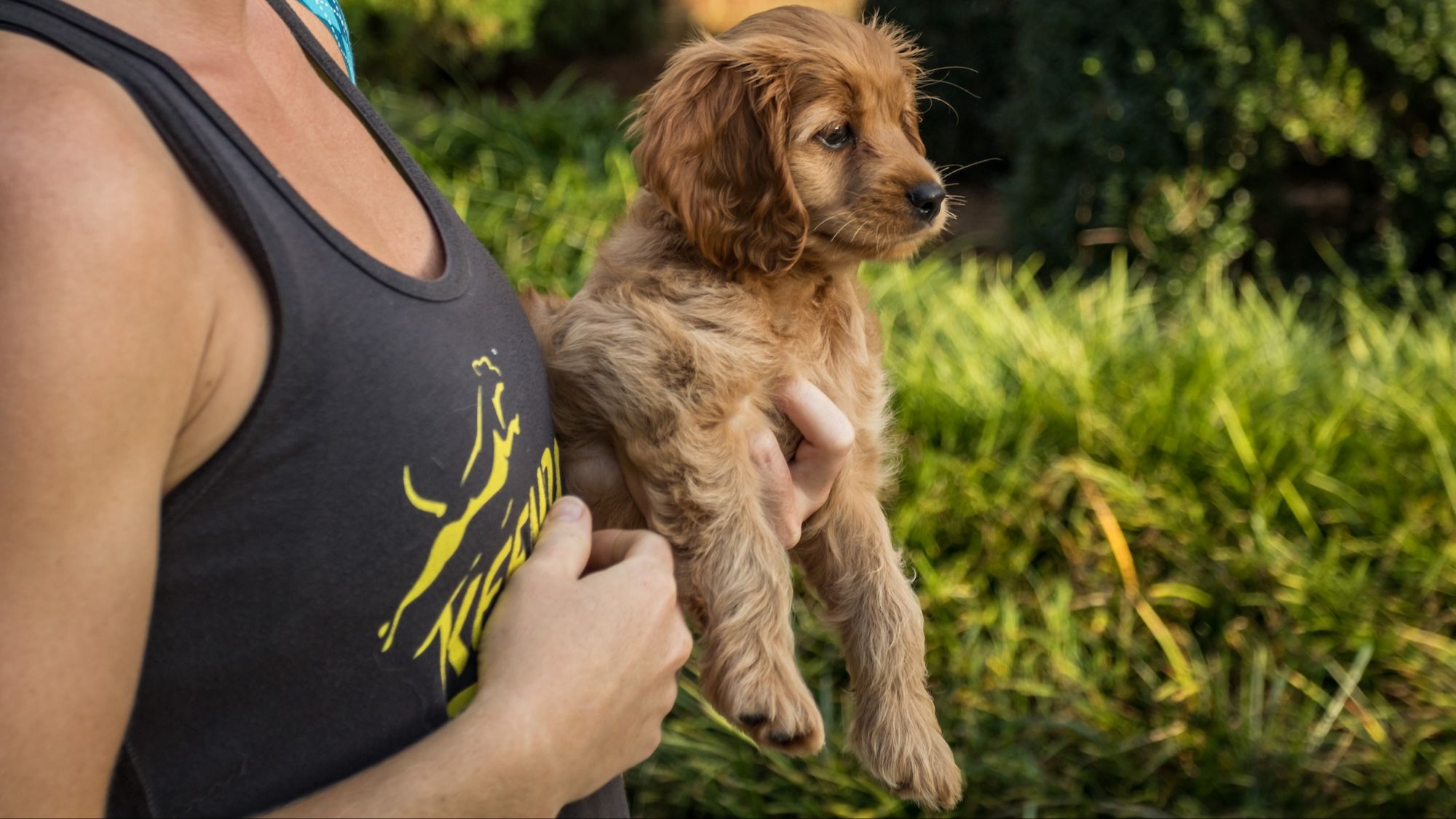
Most puppies can start training the moment they come home, usually around 8 weeks old. That includes basic cues, name recognition, and getting comfortable with handling.
Many new owners wait, thinking their puppy is "too young" or "not ready yet." In reality, your puppy is learning constantly, whether you're actively training or not. Every interaction shapes their behavior!
Let's walk through what to expect at each stage, how to approach potty training, crate training, and leash training, plus a few things worth knowing if you're raising a puppy in Charlotte specifically.
The Best Age to Start Training a Puppy
Eight weeks old is the standard age to bring a puppy home, and it's also the right time to start training. Puppies between 6 and 16 weeks old are in their critical developmental window. Their brains are still developing quickly, and they pick up new patterns fast during this stretch. During this crucial period, a puppy's brain acts like a sponge, making it the absolute best time to introduce them to new sights, sounds, environments, and social interactions to prevent future fear and anxiety
That doesn't mean training concludes at 16 weeks. Dogs keep learning and adjusting their behavior well into adulthood; the early months just set the foundation everything else builds on.
If you're still deciding what to have on hand before your puppy comes home, our ultimate puppy starter kit covers exactly that.
Puppy Training Milestones by Age
Here's what most puppies are ready to work on at each stage, broken out by training type.
|
Age |
Potty Training |
Obedience & Life Skills |
Socialization |
Crate & Leash |
|
8-16 weeks |
Learning bladder control, needs trips out every 2-4 hours, after meals and during/after play. |
Name recognition, play development, lure training and shaping basic cues like sit, down, place and heel. |
Exposure to new people, sounds, and environments. |
Getting used to the crate and wearing a leash (should be using a harness at this stage). |
|
4-6 months |
Longer stretches between potty breaks, most accidents should be dropping off. |
Impulse control, longer duration for known behaviors, formal leash walking with low-mid distractions. |
Comfortable around more people, dogs, and settings, engages with handler over environmental stimulation. |
Introducing and learning the concept of yielding to leash pressure via a flat collar or slip leash, extended crate times. |
|
6-12 months |
Down to 4-6 trips a day. |
Easily stays engaged in play in a variety of settings and structured obedience through distractions. |
Confident in busier, more distracting environments and doesn’t get easily aroused by other dogs and people. |
Comfortable in crate and can stay in for extended work hours. Working toward off-leash reliability. |
|
1 year and up |
Fully potty trained. |
Reinforcing known commands under real distractions. |
Can join you in public confidently being able to hold foundation behaviors under a variety of stimulus and focus on the handler vs outside competing motivators like other dogs and people. |
This is really where you keep pushing your skills and living life to the fullest as a pair! |
Every dog moves through these stages a little differently. Some pick up recall fast and struggle with impulse control. Others do the opposite. Consistency matters more than hitting a specific milestone on a specific week.
How to Potty Train a Puppy
Potty training usually starts between 8 and 12 weeks old and takes anywhere from a month to a 6 months, depending on the puppy.
- Take your puppy outside on a consistent schedule, roughly every 2-4 hours during the day
- Watch for signs like sniffing, circling, or heading toward the door
- Go to the same spot each time to build a habit
- Stay outside for a few minutes without distractions, giving your puppy time to go
- Reward immediately after they finish, not after you're back inside
Accidents happen during this stage. Clean them up without making a big deal of it, and stay consistent with the schedule. For a more detailed walkthrough, check out our full guide on how to potty train a puppy.
How to Crate Train a Puppy
A crate gives your puppy a safe space of their own and makes potty training and separation easier to manage.
- Pick a crate sized for your puppy's current size, not their adult size. You can also get a larger crate with a divider.
- Set it up somewhere quiet but not isolated, like a corner of the living room
- Feed meals in the crate
- Shape the crate
- Crate during the day while you are home vs just at night or when you leave
- Practice short periods with the door closed, gradually building up the time
- Avoid using the crate as punishment, since it should feel like a safe space
Puppies at this age still need frequent bathroom breaks. Don't leave them in the crate for stretches longer than they can hold it.
How to Leash Train a Puppy
Leash training goes smoothest when it starts indoors, away from the distractions of the outside world.
- When your puppy first comes home, allow them to drag a lightweight leash behind them, attached to a harness to begin to get used to it
- When introducing the leash and collar (around 3-4 months of age) you will be teaching them the concept of yielding to leash pressure vs pulling against it. This is why we strongly suggest using a harness before you teach this so that you aren’t backtracking any learned behavior of them pulling into their neck.
- Ensure that your leash is parallel to your dog’s neck, this may mean that you need to bend down, apply a tiny amount of constant pressure (think signing a piece of paper amount of pressure) and as soon as your pup comes into the pressure mark and reward the behavior.
- You can also begin by luring your pup into a heel position, have your leash in your right hand with your hand across your body like it is in a cast positioning your right hand on your left hip. Keep food in your left hand and begin walking, when your pup begins to go ahead of you, make a right turn, apply light leash pressure and as soon as your pup steps into the correct spot, mark and reward with the food in your left hand.
- Read our blog post on what collar, harness and leash combo you should use on your dog at different life stages as why.
From here, you can move your training to outside - start during a low traffic time, then slowly up the ante to busier sidewalks, parks, and neighborhoods as your puppy gets more comfortable.
Socializing a Puppy in Charlotte's Heat and Environments
Charlotte summers get hot early, and that affects how and when you socialize a young puppy. Midday walks on pavement can burn a puppy's paws. Early mornings or evenings work better for outdoor exposure during the warmer months.
Beyond the heat, puppies benefit from experiencing a range of environments. A walk through a busy area like South End, a quiet stroll through a Fort Mill neighborhood, or a car ride to run errands all count as valuable exposure. The goal is a puppy that stays calm no matter where you take them.
Speaking of car rides, some puppies find them overwhelming at first. If yours barks, paces, or panics on the way somewhere, our guide on dog anxiety in the car breaks down why that happens and how to help.
Is It Too Late to Train an Older Puppy or Adult Dog
No age is too late to start training a dog. Puppies under 16 weeks learn certain things faster, but older puppies and adult dogs can absolutely build strong obedience and good manners. It just takes a bit more repetition and patience, especially if the dog picked up habits along the way that need to be worked through first.
Frequently Asked Questions
What age should you start training a puppy? You can start as soon as your puppy comes home, typically around 8 weeks old. Play development, management techniques, basic cues, name recognition, and gentle handling exercises are all appropriate at this age.
How long does it take to train a puppy? Training is ongoing, but most puppies understand and respond to basic commands by 3-6 months old. Full obedience, especially around distractions, takes continued practice well past that point.
When should a puppy start group training classes? We do not recommend group classes as your starting point, especially during the puppy stage. Set your pup up for success and begin with private one-on-one lessons or a board-and-train program where distractions are slowly introduced vs expecting them to learn among a group of other puppies who are distracted as well. All of our training programs include access to group classes for refining training and adding distractions once the initial learning stage is complete.
What's the first thing to teach a puppy? Name recognition, markers and play development. Teaching a puppy to look at you when their name is called builds the foundation for every other cue that follows.
Get Started With the Right Support
Whether you just brought home an 8 week old puppy or you're starting fresh with an older dog, having a clear training plan makes a real difference.
If you're still deciding between raising a puppy yourself or having one professionally raised from the start, take a look at our Puppy Prodigy Program.
Otherwise, our trainers at KeenDog, a provider of dog training services in Charlotte and Fort Mill, can help you build the right plan for your puppy's age and stage. Ready to get started? Let's connect!
ABOUT THE AUTHORS