How to Choose the Right Trainer for Your Dog in Charlotte, NC
Oct 09, 2026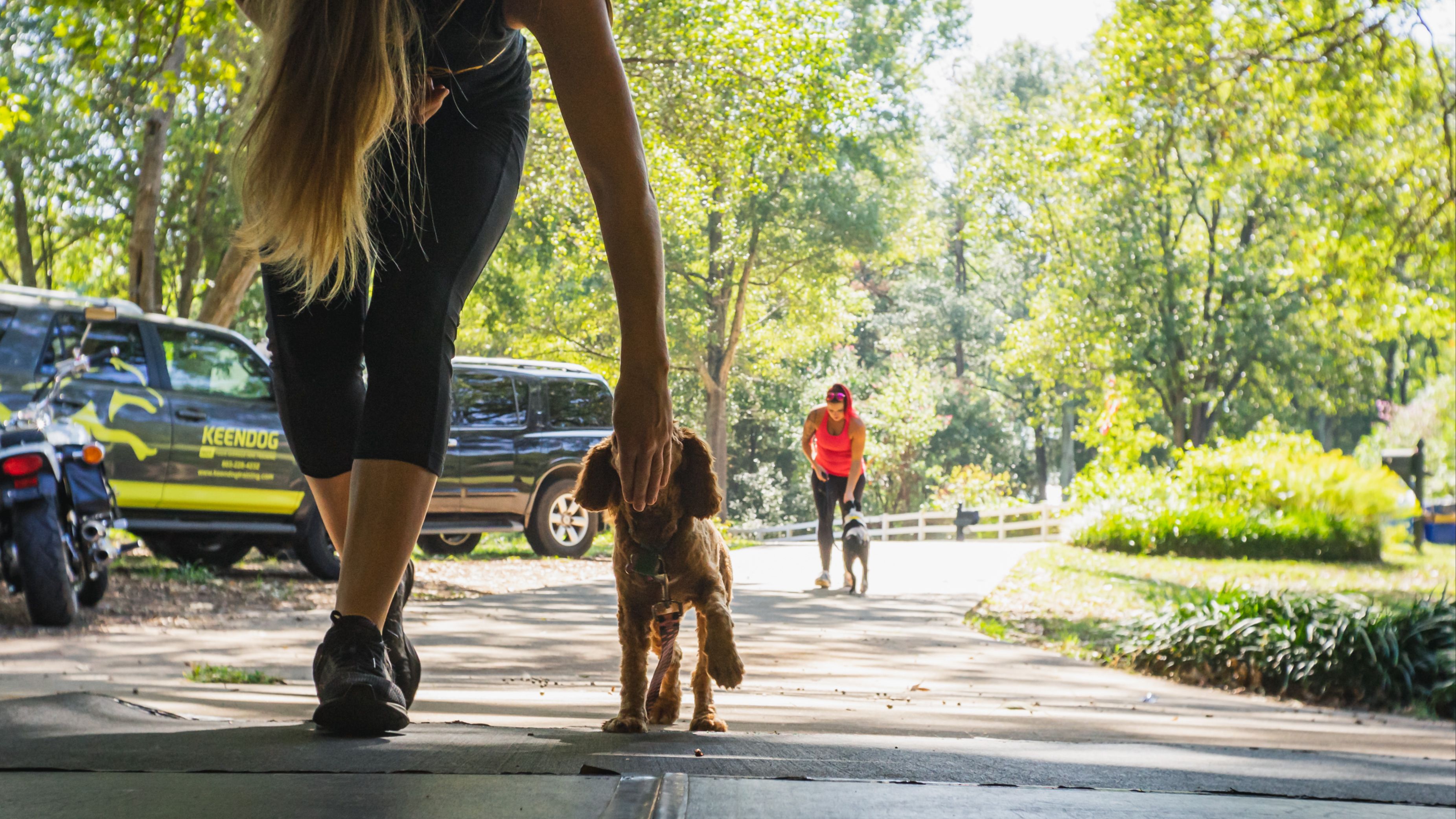
Charlotte is a city of dogs, dog lovers, and dog trainers. The surplus of training companies means you’re guaranteed to have a variety of options, but navigating those options can feel overwhelming. Whether you have a new puppy in South End, a high-energy dog in Ballantyne, or a reactive rescue dog in Plaza Midwood, the right training can help your dog become a confident and well-mannered member of the family, but how do you know which trainer is right for you?
The answer isn't simply to choose the trainer with the most reviews or the longest list of services. You need to consider your dog's needs, the trainer's methods and experience, the type of training offered, and whether the trainer can help you address problems in the environments where they actually occur.
Here's what Charlotte dog owners should know before choosing a trainer.
Start With Your Dog's Specific Needs
The first step is figuring out what you want to accomplish.
Do you want the bare minimum help with essentials like potty training? Do you hope to have your dog certified for therapy work? Do you want to live optimally with your dog and integrate them into as many activities and environments as possible? Is off-leash reliability important to you? Does your dog have serious behavioral issues?
It’s important to be realistic with yourself and upfront with potential trainers about your goals and your dog’s behavior. A good professional should ask questions about your dog's history and what you hope to accomplish before recommending a program.
At KeenDog, we never take a one-size-fits-all approach. We always consider a dog’s unique temperament and history, their owner’s goals, their home environment and household, etc. That being said, we prioritize training dogs wholistically, not just focusing on specific behaviors like potty training or leash pulling. We want you to live the best life possible with your dog and, in our opinion, that includes developing your relationship through play, maintaining order through in-home management, addressing behavior issues at their root, mastering advanced obedience, and solidifying training through ample real-world practice.
Think About Charlotte's Real-World Distractions
Training isn't just about getting your dog to sit in your living room.
Charlotte provides plenty of real-world distractions for dogs. Depending on where you live, your dog may encounter busy sidewalks, apartment hallways, elevators, cyclists, joggers, outdoor dining, neighborhood traffic, children, and other dogs.
A dog who behaves perfectly at home may have a completely different reaction when you're walking along a busy street or encountering another dog on a greenway.
That's why it's worth asking a trainer how they transition skills from a quiet training environment into everyday life.
Some dog training is conducted in pet stores, some in the home setting, some in the real world where most problem behaviors actually happen. When considering trainers, it’s important to ask questions about where training will occur, whether there is flexibility according to individual goals, whether group training comes into play at any point, etc. There isn’t necessarily a “right” environment for training, and a good trainer will likely offer you a variety of options, but it’s important that the environment aligns with your goals.
We offer a variety of training programs at KeenDog and they all follow the same basic structure – we start training in quiet, low distraction environments then progress to high distraction environments.
Ask About Training Methods
One of the most important questions you can ask a trainer is:
"What training methods and tools do you use?"
Charlotte has trainers with different philosophies, everything from balanced training which incorporates a broad range of tools to force-free programs which focus on positive-reinforcement methods only.
The important thing is to understand exactly what a trainer means by their terminology.
Ask:
- What tools do you use?
- How do you motivate dogs?
- How do you respond when a dog makes a mistake?
- How do you handle fear or anxiety?
- What happens if my dog doesn't respond to a command?
- Will I be expected to use any particular collar or equipment?
- Can you explain why you recommend those methods?
There is scientific data to back up a variety of training methodologies and every dog is different, so there is no definitive “right” way to train. What’s most important is that you feel comfortable with the answers you get from a trainer before signing up.
Decide Which Training Format Fits Your Dog
Charlotte dog owners have several options that range from pet store group classes to in-home lessons to intensive board-and-train programs. The pros and cons of each training format are far too numerous to get into here, but we’ve broken down the following topics to help you determine which format is best for your dog –
- Are In-Home Lessons a Good Fit for Me & My Dog?
- Board-and-Train Programs: Is the Investment Really Worth It?
- One-on-One Training vs Group Classes... We Choose Both!
Figuring out which format feels like best fit for you are your dog will narrow your options as you consider Charlotte-area dog trainers. It’s important to keep an open mind, though, because your trainer may recommend a different approach depending on your dog’s situation.
Consider Location and Travel Time
Charlotte's metro area is large. If a trainer will be traveling to you for training then close proximity may not feel as crucial, but if you will be dropping your dog off and picking them up then you may want to consider a trainer who is closer to your home.
Pay Attention to How the Trainer Treats Your Dog
At your first meeting with your trainer, be it a consultation or a lesson, watch how they interact with your dog.
- Do they allow your dog time to become comfortable?
- Do they pay attention to your dog's body language?
- Do they explain what they're doing?
- Do they listen to your concerns?
Don’t be surprised if the trainer ignores your dog initially or has a calm, almost disinterested demeanor towards them. Many folks initiate training due to excitability and behaviors like jumping on strangers. A good trainer will not feed into this energy; they’ll wait until your dog is calm before interacting. And importantly, a good trainer will voice over this calmness to you so that you understand why they’re not immediately loving on your dog.
Good trainers teach you, too. The goal isn't simply to make your dog behave while the trainer is present. You should leave sessions understanding what to practice and how to handle situations yourself.
Be Careful With Guaranteed Results
Be skeptical of anyone who promises to "fix" your dog in a guaranteed number of days.
Dogs aren't machines. Their behavior is influenced by genetics, learning history, environment, health, stress, and the consistency of the people around them.
Especially with fear, anxiety, reactivity, and aggression, improvement may take time.
A responsible trainer should be able to explain what progress might look like while being honest about the limitations and uncertainties involved.
Know When to Involve Your Veterinarian
Some behavior problems warrant veterinary involvement.
If your dog's behavior changes suddenly, your dog becomes unusually irritable, fearful, aggressive, or withdrawn, or you suspect pain or another medical issue, talk to your veterinarian.
For complicated behavior cases, a veterinary behavior professional may also be appropriate.
Charlotte dog owners have access to professionals who specialize in behavior rather than basic obedience. That's an important distinction when dealing with serious or potentially dangerous behavior.
A good trainer will be realistic about the severity of behavioral issues, will recommend exhausting training and management options before trying medication, and will always acknowledging that medication may be warranted in the long run.
Questions to Ask a Charlotte Dog Trainer
Before booking, consider asking these questions:
- What type of training do you specialize in?
- What training methods and tools do you use?
- Do you have experience with my dog's specific behavior?
- Do you offer in-home training? Board-and-train programs? Group classes?
- Do you serve my part of Charlotte?
- How much practice will I need to do between sessions?
- How will you measure progress?
- What happens if my dog isn't responding to the program?
- Can you provide references or let me observe a class?
The trainer's answers—and how they respond to your questions—can tell you a lot.
Finding the Right Fit
There isn't one "best dog trainer in Charlotte" for every dog.
Take the time to compare trainers, understand their methods, and find someone whose experience matches your dog's needs.
Most importantly, remember that you're not simply hiring someone to train your dog. You're choosing someone to teach you and your dog how to communicate better.
When you find the right match, training can help you enjoy more relaxed walks, better manners at home, and greater confidence wherever life in Charlotte takes you.
Ready to Start?
Whether you're raising a new puppy, working through challenging behaviors, or simply want a better-behaved companion, taking the time to find the right Charlotte dog trainer is worth it. Schedule a free consultation to see if KeenDog is the right fit for you and your dog!
ABOUT THE AUTHORS