A Dog Trainer’s Perspective From the Road: Why Dogs Abroad Feel So Different
Jan 13, 2026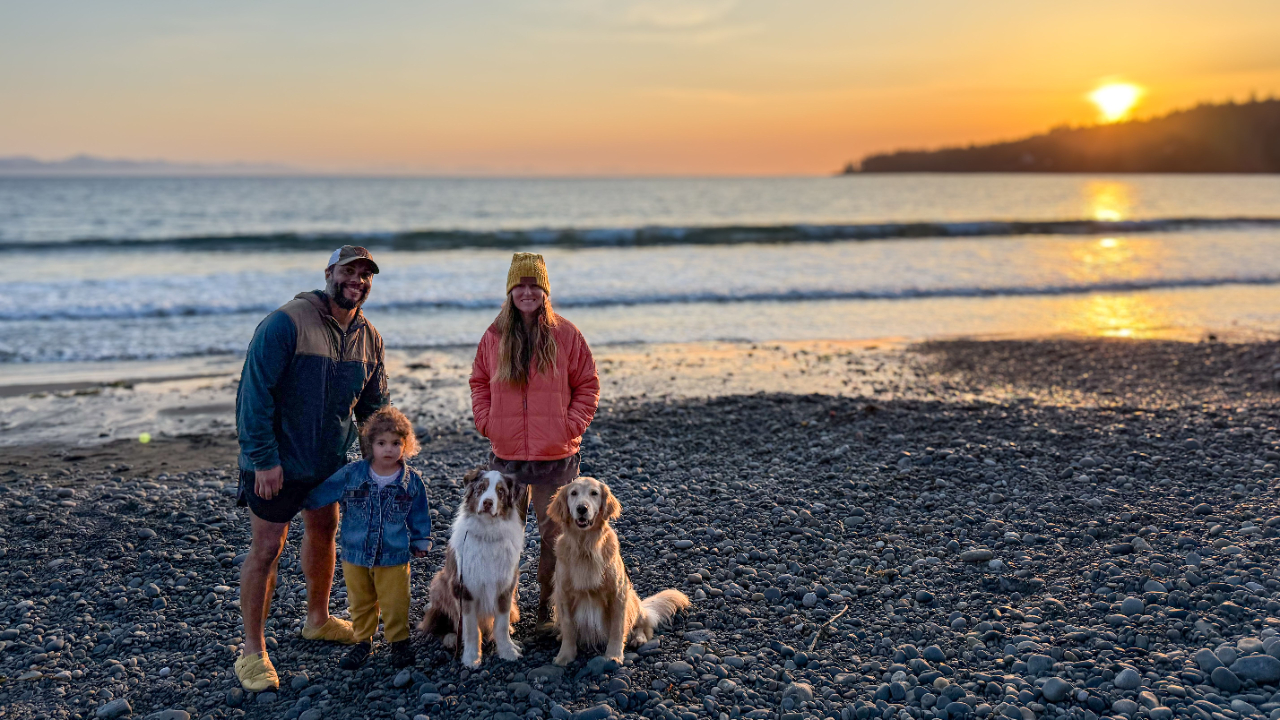
My wife and I have spent the last year and a half traveling from British Columbia to Indonesia and now New Zealand. As a dog trainer, I can’t help but notice the dogs wherever we go.
Honestly… if KeenDog were based in New Zealand, I’m not sure we’d have a job.
Dogs in these countries are calm, confident, and easygoing. They cruise trails, lounge under café tables, and move through the world without the tension, reactivity, or anxiety we so often see back home.
Indonesia offered a stark contrast in lifestyle, yet yielded a similar outcome. Many dogs live independently, spending most of their time outdoors. Some lead rougher lives than we’re used to seeing in the U.S., yet they are grounded, social, and naturally balanced. They wander villages, nap in doorways, accept pets from strangers, and carry themselves with quiet ease.
In New Zealand, dogs stroll trails, run alongside owners, and play at playgrounds. Others simply lounge in the shade while their humans enjoy the space around them. Nothing fancy. Nothing “high-level.” Just dogs being dogs — and thriving.
What struck me most is that no one went up to pet the dogs. That makes a profound difference. Not because Americans don’t love their dogs, if anything, the opposite is true. We love them so intensely that sometimes we smother them. We make them the center of the household, project our emotions onto them, and humanize them, expecting them to understand our world all while giving very little structure in return.
Across almost every country we’ve visited, a consistent pattern emerges:
-
Dogs are part of the family, but they aren’t the focus.
-
They’re included, not idolized.
-
They live alongside their humans, not at the emotional center of the universe.
-
There's mutual respect, and an unspoken agreement that boundaries matter.
And because of that, something remarkable happens:
-
Dogs abroad are calmer, more balanced, and less reactive.
-
They move through busy markets unfazed.
-
They lay quietly in cafés.
-
They respect boundaries without constant reminders.
-
They’re social without being chaotic.
So what’s actually creating this difference? Here’s what we’ve noticed:
-
Lives aren’t overloaded with choices. Dogs follow, observe, walk, and rest. No overstimulation from endless toys, constant attention, or nonstop activity.
-
Structure comes naturally. Most dogs aren’t formally trained, yet they understand expectations because their environments are predictable and consistent.
-
Affection isn’t the main language. Love is expressed through inclusion and shared experiences, not constant petting or making the dog the center of every moment.
-
Movement is a priority. Dogs walk a lot. Through cities, villages, beaches, and mountain often more naturally than most American dogs get in a week.
-
Humans don’t revolve around the dog. Perhaps the biggest difference. In the U.S., dogs often get love without leadership. Abroad, dogs get both naturally and in balance.
And that’s where many U.S. owners unknowingly struggle: they give affection without guidance, options without boundaries, and freedom without follow-through.
These dogs aren’t perfect. They aren’t obedience stars. But they are balanced, calm, and confident exactly what many owners spend thousands trying to achieve.
At the end of the day, most so-called “bad” behaviors are simply a dog carrying responsibilities it was never meant to hold. Traveling abroad has made that clearer than ever.
As we start the New Year, this perspective offers more than just a travel anecdote, it’s a reminder about habits. Small, consistent patterns of structure, inclusion, movement, and respect, whether for dogs or ourselves, yield calm, confident, and balanced results over time. The year ahead is full of choices: what habits will we carry forward, and which will we release?
Take a moment. Reflect. Watch how your dog responds to guidance, structure, and space. And perhaps, like dogs abroad, allow a little more balance, a little more freedom, and a little more calm into your own life.