How to Stop Puppy Biting & Nipping
Aug 21, 2026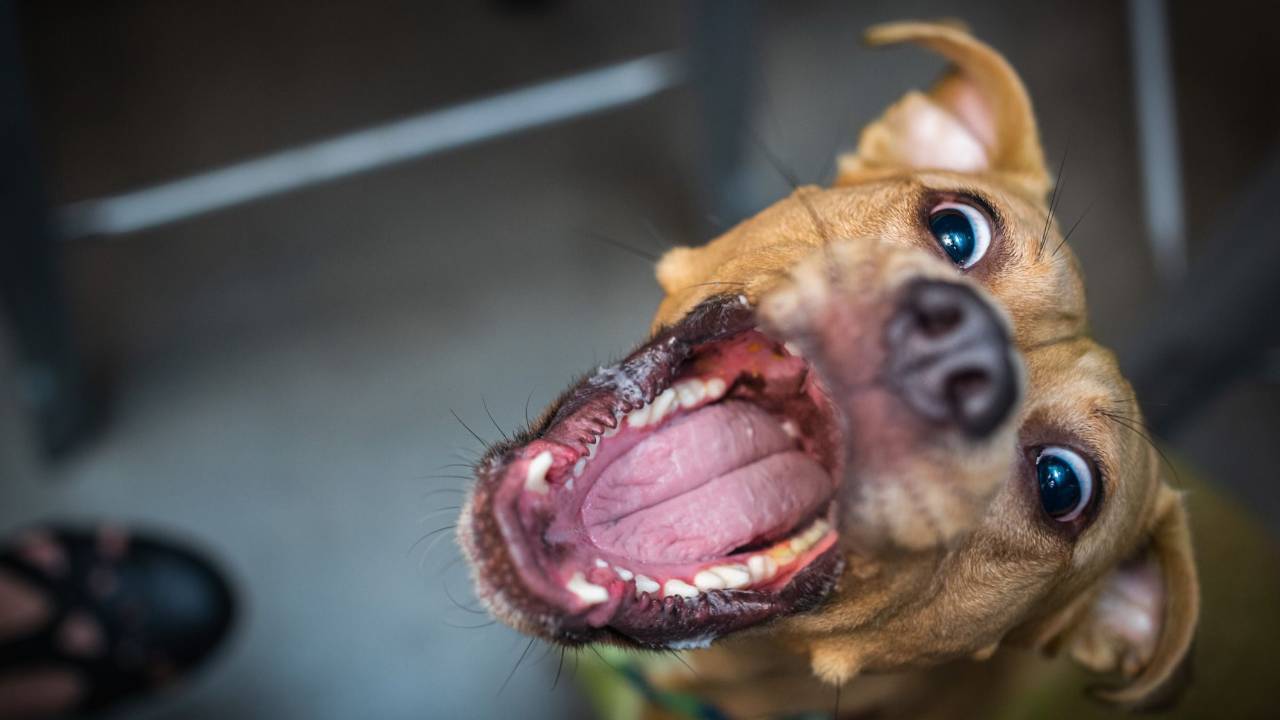
Puppy biting is one of those things that can make you wonder, “Did I bring home a puppy or a tiny land shark?”
Those sharp little teeth seem to find your hands, ankles, pant legs, and anything else that moves. While puppy biting is completely normal, that doesn’t mean you have to simply wait for your puppy to grow out of it.
The key to stopping puppy biting isn’t just correcting the behavior. It’s understanding why puppies bite and giving them appropriate ways to satisfy the instincts driving that behavior.
At KeenDog, we like to think about puppy biting in three steps:
Manage it. Redirect it. Give your puppy an appropriate outlet.
1. Management Comes First
One of the biggest mistakes people make with puppy biting is giving their puppy too much freedom before they have the skills to handle it. When your puppy is in a biting frenzy, you need a way to calmly interrupt and manage the behavior before it escalates.
One of our favorite puppy-management tools is a leash.
Keeping a lightweight leash on your puppy inside your home (while you are actively supervising them) gives you a way to guide them away from your clothes, hands, or feet without turning the interaction into frustration for both you and your puppy. You can use the leash to calmly create space and redirect them toward something appropriate.
Management also helps prevent your puppy from rehearsing the behavior over and over again. The more opportunities a puppy has to chase ankles, grab pant legs, or bite hands, the more rewarding that game can become.
Your movement matters, too.
Have you ever noticed that your puppy seems particularly interested in your feet when you're walking? That's not a coincidence.
Dogs are predators, and movement can tap directly into their predatory instincts. Fast-moving hands, feet, pant legs, and even a child running across the room can become incredibly exciting to a puppy. If your puppy is already amped up, waving your hands around, pulling your feet away quickly, or running away will make the game more fun to them versus reducing the behavior.
So if your puppy is nipping at your ankles, try not to turn it into a game of chase or keep-away. Use the leash to manage your puppy's space, slow down the interaction, and then redirect them to an appropriate outlet.
2. Redirect the Bite, Don't Just Give Them a Toy
When your puppy puts their teeth on you, one of the most common pieces of advice is:
"Just give them a toy."
The idea is right, but how you give them the toy matters. Simply placing a toy in front of your puppy isn't always very interesting. Think about it from your puppy's perspective - a toy sitting motionless on the floor isn't much like prey. We jokingly call this a "suicide rabbit." A rabbit isn't going to voluntarily hop directly into a dog's mouth.
The chase is part of what makes the interaction exciting. Instead of simply handing your puppy a toy, make the toy active and alive. Move it away from your puppy. Drag it across the floor. Let them chase it. Change directions. Engage them in a game of tug. Make the toy into something they want to catch.
By doing so, you're tapping into the same instinct that made your puppy want to chase your moving feet in the first place, only now you're giving that instinct an appropriate target.
Think: "Chase this, not me."
If your puppy is biting your ankles while you're walking, for example, you can use your leash to help manage their movement and then engage them with a tug toy or another appropriate toy. The goal isn't simply to distract your puppy from biting. The goal is to teach them what they should bite and what they can do with that instinct.
3. Give Your Puppy an Outlet
Puppies don't just need physical exercise. They need opportunities to express the behaviors their genetics were designed to perform.
A puppy with a strong desire to chase, grab, carry, tug, retrieve, or chew needs appropriate outlets for those behaviors. If those needs aren't being met, your puppy may find their own outlets, and your ankles may become the newest recreational activity.
Chewing outlets
Appropriate chewing activities can be incredibly helpful for puppies.
Some options include:
- Bully sticks
- Kongs stuffed with food and frozen peanut butter
- Appropriate long-lasting chews
- Raw beef rib (we recommend this only in an ex-pen or crate as it can get messy)
These activities give your puppy something appropriate to do with their mouth while also providing mental stimulation. Just remember that chews and enrichment should always be selected and used with your individual puppy in mind.
Give Their Natural Instincts a Job
Your puppy's genetic needs don't disappear because they now live in your home. In fact, many of the behaviors we find frustrating - chasing, grabbing, carrying, tugging, chewing, etc. - are completely natural parts of being a dog.
Rather than trying to eliminate those instincts, give them an appropriate outlet. This is where purposeful play becomes such an important part of puppyhood.
Play is more than just exercise.
At KeenDog, we believe in the power of play. Play helps build your relationship with your dog while also developing confidence, engagement, impulse control, and the ability to move between different levels of arousal. And it can be a great way to satisfy the very instincts that are contributing to your puppy's biting.
A puppy who loves to chase your moving feet can learn that chasing a toy is more rewarding.
A puppy who wants to grab everything with their mouth can learn to grab a tug toy.
A puppy who wants to chase and carry can learn the fun of retrieving a ball.
Instead of saying "don't chase, don't bite, don't grab," we're teaching them what they can chase, bite, and grab.
Make play intentional.
We recommend incorporating short periods of structured play into your puppy's everyday routine. Tug, fetch, and chase games can all provide appropriate outlets for your puppy's natural drives.
Just remember that balls, tugs, frisbees, and similar toys are most valuable when they are part of play with you. Rather than leaving these toys out and available all day, put them out of reach and only bring them out to create opportunities for engagement and connection.
If your puppy is still learning how to play, that's okay! Play doesn't always come naturally to every dog, and it is a skill that you can develop together.
For more detailed guidance, check out our guides on The Power of Play: Fetch and The Power of Play: Tug.
The goal isn't to stop your puppy from being a dog. It's to teach them how to be a dog in your human world.
What NOT to Do When Your Puppy Bites
When you're dealing with a mouthy puppy, it can be tempting to react quickly, but some common responses can actually make the behavior more exciting.
Try to avoid:
- Quickly pulling your feet away while your puppy is chasing them
- Chasing your puppy when they grab something
- Repeatedly pushing your puppy away
- Turning every biting episode into a big interaction
Remember: attention can be rewarding, even when you're trying to tell your puppy "no."
If your puppy thinks biting your hands results in an exciting game of chase, wrestling, or tug-of-war with your clothes, you've accidentally reinforced the behavior. Instead, stay calm, use management, and give your puppy something appropriate to do.
Puppy Biting Is About More Than Teeth
The goal isn't to teach your puppy that their natural instincts are bad. It's to teach them where those instincts belong. Your puppy is going to chase. They're going to grab. They're going to chew. They're going to tug. They're going to explore the world with their mouth.
Our job is to help them learn how to do those things appropriately.
When you combine management, redirection, and appropriate outlets, you aren't simply stopping puppy biting. You're teaching your puppy how to make better choices while helping them satisfy the genetic behaviors that make them a dog.
And remember, puppyhood doesn't last forever.
Those little teeth will eventually be replaced by an adult mouth, but the skills and habits you build now will continue to shape your relationship with your dog for years to come.
Frequently Asked Questions About Puppy Biting
Why does my puppy bite my ankles?
Puppies often bite ankles because movement triggers their predatory instincts. When your feet and legs move quickly, your puppy may naturally want to chase, grab, and bite.
Rather than turning it into a game of chase, use management to help control your puppy's access to your legs. A leash can be especially helpful during supervised periods. Then redirect your puppy into an active game with a toy. Drag a tug toy across the floor, move it away from them, or encourage them to chase and grab it.
The goal is to teach your puppy: "Chase the toy, not the human."
How do I stop my puppy from biting my hands?
Start by avoiding behaviors that make your hands more exciting. Don't wrestle with your puppy using your hands, rapidly pull your hands away, or repeatedly push them away when they bite. These movements can actually increase your puppy's desire to chase and grab.
Instead, calmly manage your puppy and redirect them to an appropriate toy. Remember that the toy should be active and engaging, rather than simply placed in front of them. Use movement to encourage your puppy to chase, grab, tug, and retrieve.
You can also make sure your puppy has plenty of appropriate chewing outlets, such as stuffed and frozen Kongs or bully sticks, so they have acceptable ways to satisfy their need to use their mouth.
When will my puppy stop biting?
Puppy biting generally decreases as puppies mature, develop better impulse control, and learn appropriate ways to interact with people. However, you don't have to simply wait for your puppy to outgrow it.
The habits you establish during puppyhood matter. If you want to know the top 5 things we focus on with all puppies, read our blog post here.
Consistently manage unwanted biting, redirect your puppy toward appropriate toys and activities, and provide daily outlets for their genetic needs. Short sessions of tug, retrieve, chase, training, and appropriate chewing can all help.
The goal isn't to eliminate your puppy's natural desire to chase, grab, tug, or chew. It's to teach them where those behaviors belong.
With consistency, your little land shark will eventually become much more skilled at keeping those teeth to themselves.
Looking to work with a dog trainer in Charlotte? We would love to be your coaches! Book a complimentary consultation today to figure out which program best fits your lifestyle and dog's needs.
ABOUT THE AUTHORS