Separation Anxiety: What It Is, How to Prevent It, and How to Ease Existing Anxiety
Sep 25, 2026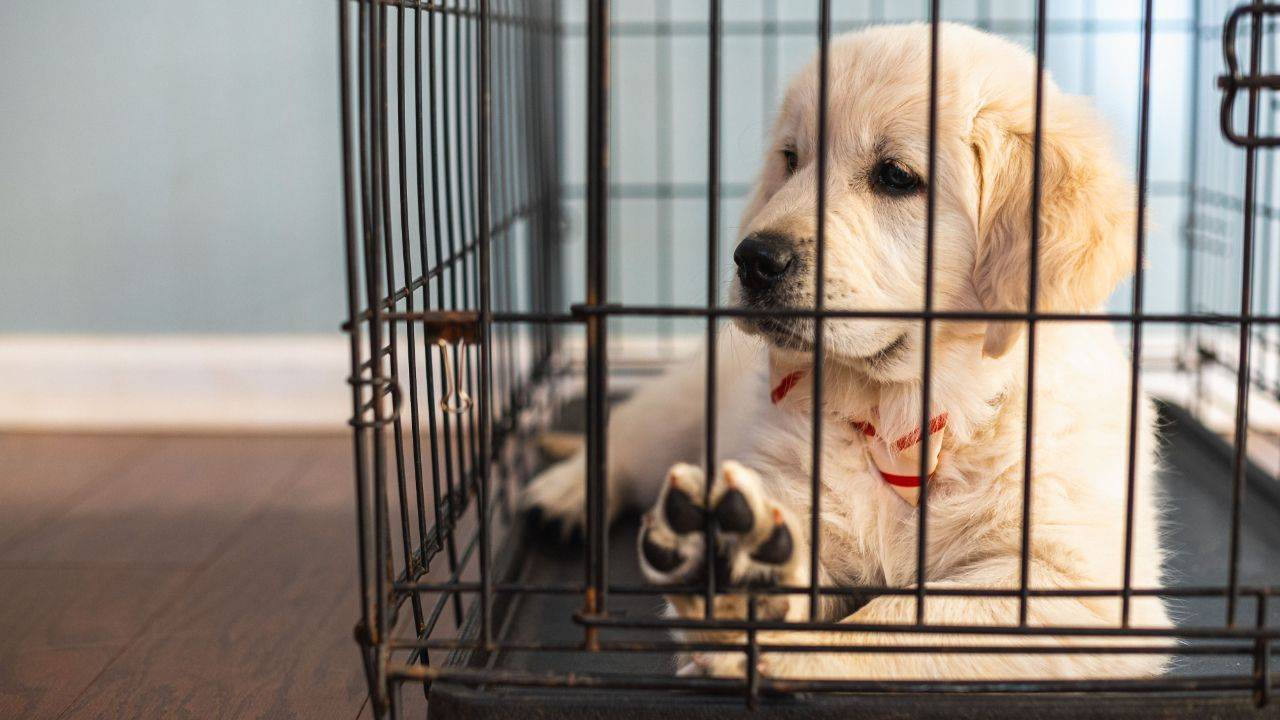
Dog separation anxiety is a topic that we’re asked about often. What is it? How can I help my dog overcome it? Will it always be a problem? These are tough questions to answer, especially considering every dog is different.
In this article we’ll break down the basics and give you some recommendations to start tackling your dog’s separation anxiety, though we always recommend working closely with your vet and a qualified trainer when working through behavioral issues. If you’re local (or even if you’re not!), our Charlotte dog trainers are here to help!
What Is Dog Separation Anxiety?
In basic terms, separation anxiety is a stress response that happens when a dog becomes distressed upon being left alone or separated from their humans. Separation anxiety is defined by a deep sense of panic and common signs include excessive vocalizing, destructive behavior, house soiling (even in house-trained dogs), pacing, drooling, self-injury, or attempts to escape confinement.
Why Does Separation Develop and Why Is It So Common?
There can be a variety of causes for the development of separation anxiety, but often dogs become overly attached to their owners in early puppyhood and have trouble being separated for any length of time. When puppies are separated from their litter, they can have a difficult time learning how to function independently for the first time. As dog owners, it’s our job to help puppies through this transition, but often our version of helping does a disservice to them.
Instead of having them sleep in a crate at night and experience a small amount of discomfort from being alone, we invite them into our beds. Instead of encouraging them to spend time in the yard alone, we walk one step behind them to ensure they go potty and don’t get into any trouble. Instead of encouraging them to lay on a place cot on the other side of the room when we relax on the couch, they curl up at our feet or even snuggle in our lap.
While balance is important and we, of course, want to shower our puppies in affection, the constant attachment and comforting presence of their person have the opposite effect when separation becomes necessary – the stress they experience becomes far greater and the behavior they exhibit becomes far more problematic.
How to Prevent Separation Anxiety From Developing
Independence is a learned skill. Ideally this skill is something that will be worked on by your breeder before you puppy ever leaves their litter, but if not, it should ideally be practiced from day 1 when your puppy (or older dog) enters your home.
Perhaps the most important step you can take is creating time in your everyday routine where your puppy must relax away from you. Crate training is an important part of this, but using a playpen or tethering to a place cot and also be very helpful. Make these times enjoyable with long-lasting chews such as frozen kongs or bully sticks. Doing so will build a positive association with alone time and naturally extend the time that your puppy is comfortable away from you.
When you have to leave the house or return back home, try to keep your comings and goings as neutral as possible. If you make leaving a big deal, it will be a big deal to your puppy. If you get them all riled up when you get home, they’ll spend the entire time you’re gone hyped up in anticipation. Emotional charged moments create tension and that’s exactly what you don’t want. It’s not a big deal when you leave, it’s not a big deal to spend some time alone, and it’s not a big deal when you get home – this is exactly the mindset you want to create for a secure, independent dog.
How to Ease Existing Separation Anxiety
If your dog already experiences separation anxiety, it’s not too late to help foster independence! Follow the same steps as above – begin to create separation and shape a better association and moderate how you currently handle comings and goings to make them more neutral. It’s important to remember that separation anxiety is not tackled overnight, you’ll have to work in very small increments to start with – if your dog can only be separated for 30 seconds before they become stressed, start with that! Keep your dog under their panic threshold and return before they become anxious. Build separation slowly so as to not make the problem worse.
Structure and routine can also help ease separation anxiety – dogs thrive on predictability. Figure out a routine that works for them including periods of activity (both mental and physical) followed by rest and work on separation during these rest periods.
Confidence is key to working through all behavioral issues, so we encourage you to also work on your dog’s confidence daily. Challenge them to walk across strange textures, take them to new environments to hangout and observe novel stimuli, encourage them to climb on playground equipment, play games like tug and fetch that they enjoy… a confident dog is a well-balanced, secure dog.
Working through separation anxiety is certainly harder than preventing it, but it’s not impossible. With these tips, you should be able to start getting a handle on your dog’s behavior or prevent it entirely by starting your puppy off right, but we are always happy to help. Schedule a free consultation with our Charlotte dog trainers today!
ABOUT THE AUTHORS